Lutjanus stellatus: The Star-Spotted Snapper of Coral Reefs
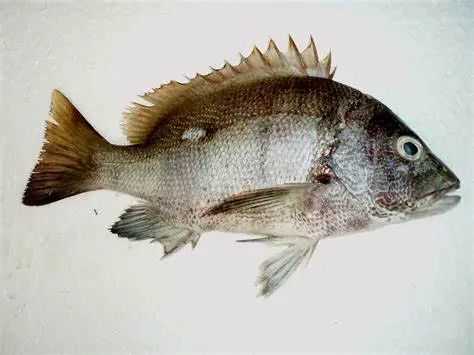
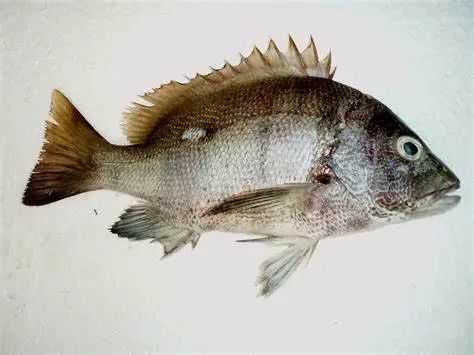
Lutjanus stellatus, known as the white star snapper in Taiwan and by regional nicknames in Hong Kong, is a captivating species of marine fish belonging to the Lutjanidae family. Renowned for its distinctive markings and ecological significance, this snapper is characterized by a robust, oval-shaped body adorned with small, pale spots against a reddish-brown to golden-yellow backdrop, giving rise to common names inspired by its appearance. It inhabits the warm, clear waters of the Indo-Pacific region, where it thrives as both a predator and a prized catch for local fisheries.
Source: Images from the Internet, if there is any infringement, please contact the removal of
Growing up to 60 centimeters in length, the star-spotted snapper features a laterally compressed body with a slightly concave forehead and large, expressive eyes. Its most notable trait is the array of small white or pale yellow spots scattered across its dorsal and lateral surfaces, which contrast sharply with its darker base color—a pattern that becomes more pronounced in juveniles and serves as effective camouflage among coral reefs and rocky outcrops. The fins often exhibit a warm yellowish hue, particularly the pectoral and caudal fins, inspiring regional nicknames.
Primarily a reef-associated species, Lutjanus stellatus dwells in shallow coastal waters, lagoons, and coral reefs at depths of 10–100 meters, though it may venture into deeper areas as it matures. It is a diurnal feeder, actively hunting the reef during the day for small fish, crustaceans, and mollusks, using its sharp teeth to capture prey. Juveniles often seek shelter in seagrass beds or among branching corals, while adults establish territories in more open reef structures. Spawning occurs in large aggregations near offshore reefs, with females releasing buoyant eggs that drift with currents until hatching.
Highly valued for its tender, white flesh, the star-spotted snapper is a staple in seafood markets across its range, particularly in Southeast Asia and China. However, its popularity has led to increased fishing pressure, threatening local populations. Habitat degradation from coral bleaching, pollution, and destructive fishing methods further exacerbate its vulnerability. While not currently listed as endangered, conservation efforts such as marine protected areas and sustainable fishing quotas are crucial to maintaining healthy stocks. As a keystone species in reef ecosystems, Lutjanus stellatus plays a vital role in regulating prey populations and supporting the biodiversity of tropical marine environments, underscoring the need for proactive stewardship to ensure its survival.