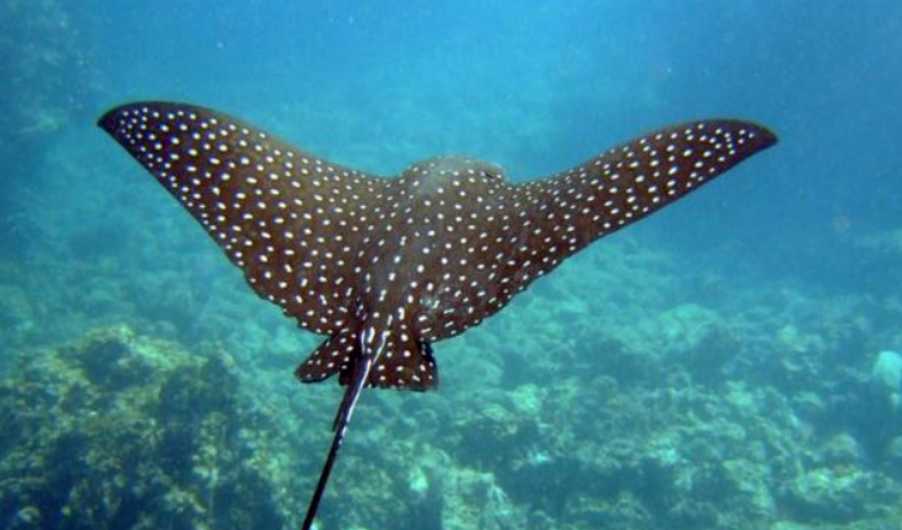
Stingrays: The Formidable Flatfish with a Lethal Defense
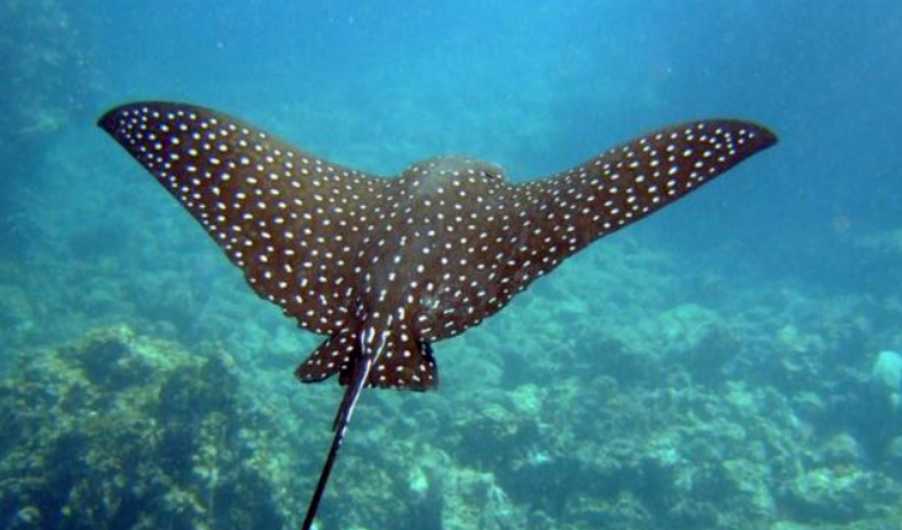
Stingrays, scientifically known as Dasyatidae, are cartilaginous fish renowned for their flattened bodies and whip-like tails. These marine creatures, which glide gracefully through the ocean, possess a hidden danger: some species sport one or more serrated venomous spines on their tails. With their distinctive wing-like pectoral fins undulating rhythmically, stingrays combine elegance with a lethal self-defense mechanism that commands caution from both predators and humans.
Source: Images from the Internet, if there is any infringement, please contact the removal of
The most striking feature of stingrays is their elongated, tapering tails, which can extend up to 37 centimeters in some species. The venomous spines, composed of sharp, barbed cartilage, are coated with a potent toxin. When threatened, stingrays whip their tails in a swift arc, using the spines as a last resort to deter attackers. This defense is particularly perilous; a sting to the chest can cause severe injuries, and punctures near vital organs, especially the heart, often prove fatal. Immediate medical attention, including emergency surgery, is crucial for survival, but recovery remains challenging when the heart is compromised.
Despite their fearsome reputation, stingrays are generally docile and prefer to avoid confrontation. They spend much of their time partially buried in sandy seabeds or gliding over coral reefs, feeding on small fish, crustaceans, and mollusks. Their role in marine ecosystems is vital, helping to control prey populations and maintain biodiversity. However, human activities such as habitat destruction, overfishing, and accidental entanglement in fishing gear pose significant threats to their survival. As the largest known venomous fish, stingrays serve as a reminder of the ocean’s complex and often perilous beauty, underscoring the need for respectful coexistence and conservation efforts.